
The Origins of Mantel Clocks in Europe
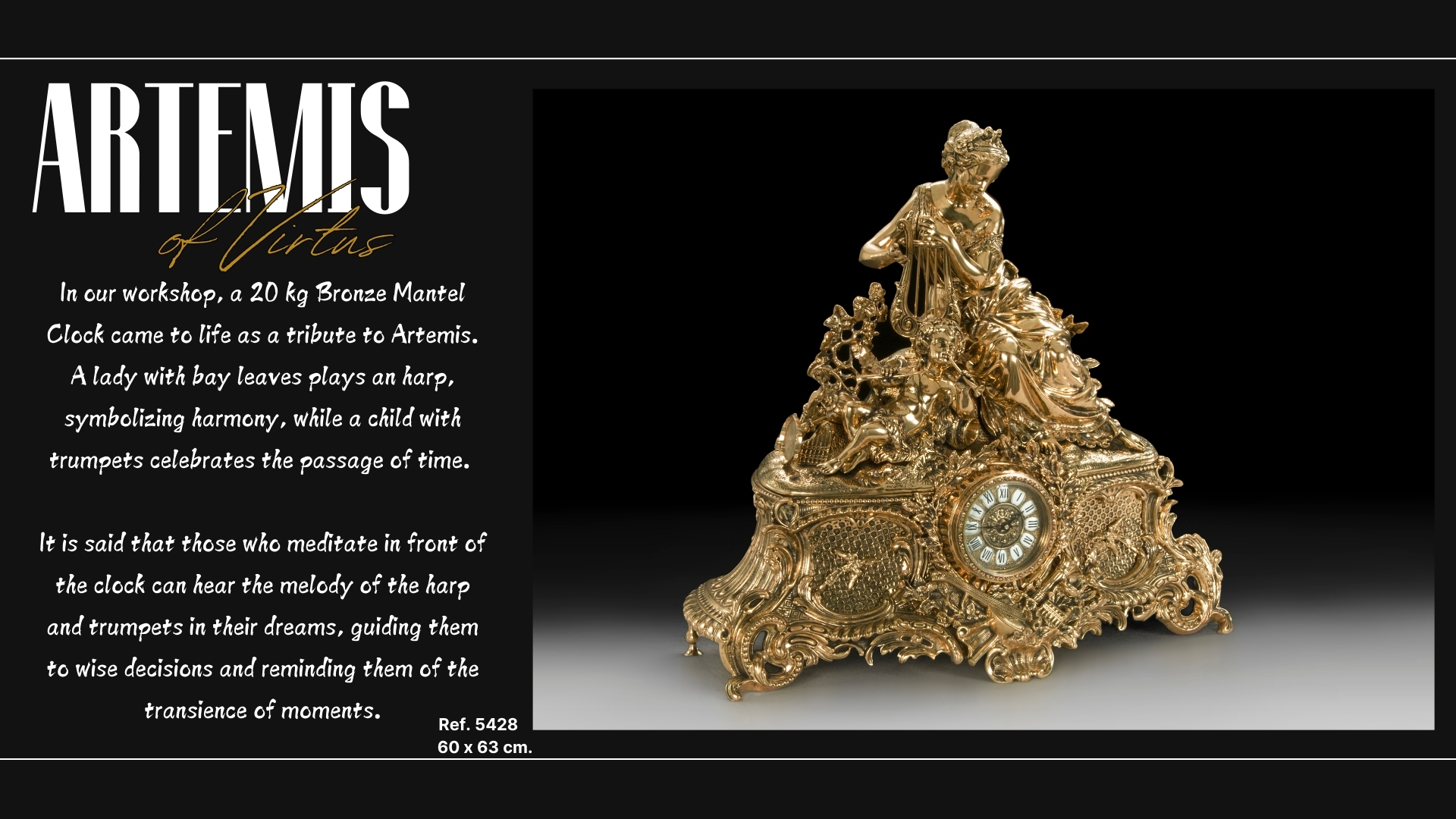
The bronze mantel clocks of today trace their origins back to the grand courts of 18th-century France, where timekeeping was elevated to an art form. The reigns of Louis XV and Louis XVI saw an extraordinary refinement in decorative arts, with a particular focus on ornate bronze clocks classic style. These timepieces were not merely functional objects; they were statements of taste, wealth, and sophistication.
During the Louis XV period (1715–1774), decorative arts were characterized by the exuberance of the Rococo style. Clockmakers and bronziers collaborated to create handcrafted bronze luxury pieces, integrating elaborate floral motifs, asymmetrical curves, and mythological themes. These designs reflected the lighthearted and playful aesthetic of the time, making them prized possessions among the aristocracy.
As the Louis XVI period (1774–1792) unfolded, artistic trends shifted towards a more structured and symmetrical Neoclassical style, inspired by the rediscovery of Greco-Roman antiquity. Clocks from this era featured cleaner lines, straight columns, and classical ornamentation, emphasizing balance and harmony. These elegant bronze luxury decor pieces became integral to the sophisticated interiors of French nobility.
The Evolution of Mantel Clocks into a Symbol of Prestige
The production of bronze mantel clocks required an exceptional level of craftsmanship. Each piece was meticulously designed, cast in high-quality bronze, and finished by hand. In many cases, these clocks were accompanied by matching candelabras, creating a harmonious ensemble that adorned the grand fireplaces of palaces and stately homes.
During the 18th century, renowned clockmakers such as Jean-Baptiste Lepaute and Ferdinand Berthoud revolutionized clockmaking, perfecting the precision and aesthetics of bronze clocks classic style. Their work laid the foundation for the enduring appeal of these timepieces, which remain sought after by collectors and connoisseurs of fine craftsmanship.
Virtus 1945: Continuing the Legacy of Excellence
For 80 years, Virtus 1945 has upheld the tradition of creating exquisite handcrafted bronze luxury pieces, preserving the time-honored techniques that define true artistry. Founded in post-war Europe, the company emerged with a commitment to reviving the classical beauty of bronze luxury decor.
Employing the sand casting method—a technique that ensures each piece is unique—Virtus artisans meticulously craft each clock, maintaining the authenticity and elegance of bronze mantel clocks inspired by the Louis XV and Louis XVI styles. Every detail, from the intricate floral embellishments to the polished patina, reflects the dedication to excellence that has defined the brand for generations.
A Historical Curiosity: The Role of Mantel Clocks in the French Revolution
One fascinating historical anecdote is the role of mantel clocks during the French Revolution. As symbols of aristocratic opulence, many luxurious bronze clocks classic style were confiscated or repurposed. However, some skilled artisans managed to preserve these masterpieces by adapting their designs to align with the emerging Republican ideals, incorporating more austere Neoclassical elements. Today, these timepieces serve as historical records of a turbulent yet artistically rich era.
Why Mantel Clocks Remain Timeless
The enduring allure of bronze mantel clocks lies in their ability to blend history, artistry, and functionality. Whether placed on a grand fireplace mantel or as the focal point of a sophisticated interior, these clocks continue to exude a sense of refinement and cultural heritage.
Owning a Virtus 1945 bronze clock is not just about acquiring a timepiece—it is about embracing a tradition of elegance, craftsmanship, and history. Accompanied by matching candelabras, these clocks transform any space into a setting of classical grandeur, making them an investment in both beauty and heritage.
Conclusion
From the lavish courts of Louis XV to the structured elegance of Louis XVI, and through the skilled hands of Virtus 1945, bronze mantel clocks have transcended time to remain symbols of prestige and sophistication. These handcrafted bronze luxury pieces continue to captivate admirers worldwide, proving that true artistry never goes out of style.
Today, interior design trends celebrate the fusion of classic and modern elements. A bronze luxury decor piece, such as a bronze mantel clock, can serve as a striking contrast within a contemporary setting, adding depth, history, and character to a modern home. The interplay between the clean lines of modern architecture and the intricate details of classical craftsmanship creates a refined, eclectic aesthetic that resonates with today’s design vision. This harmony between past and present makes bronze clocks classic style more relevant than ever, offering a timeless elegance that seamlessly blends tradition with modernity.
Whether for collectors, interior designers, or lovers of fine craftsmanship, bronze luxury decor from Virtus 1945 offers more than just timekeeping—it offers a piece of history, exquisitely crafted for generations to come.